

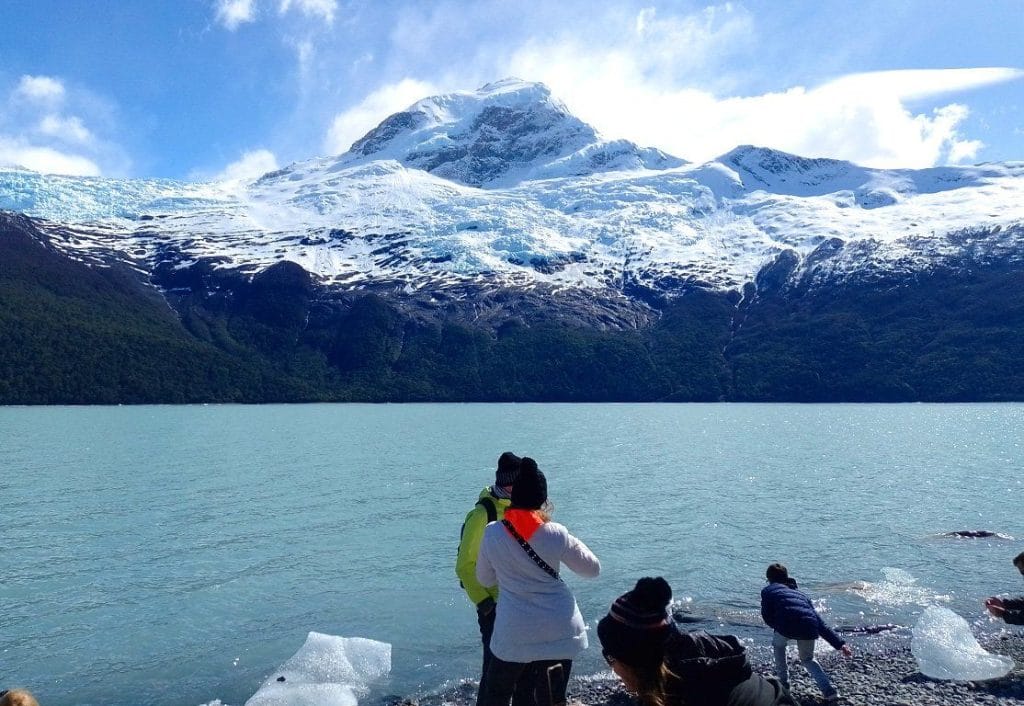
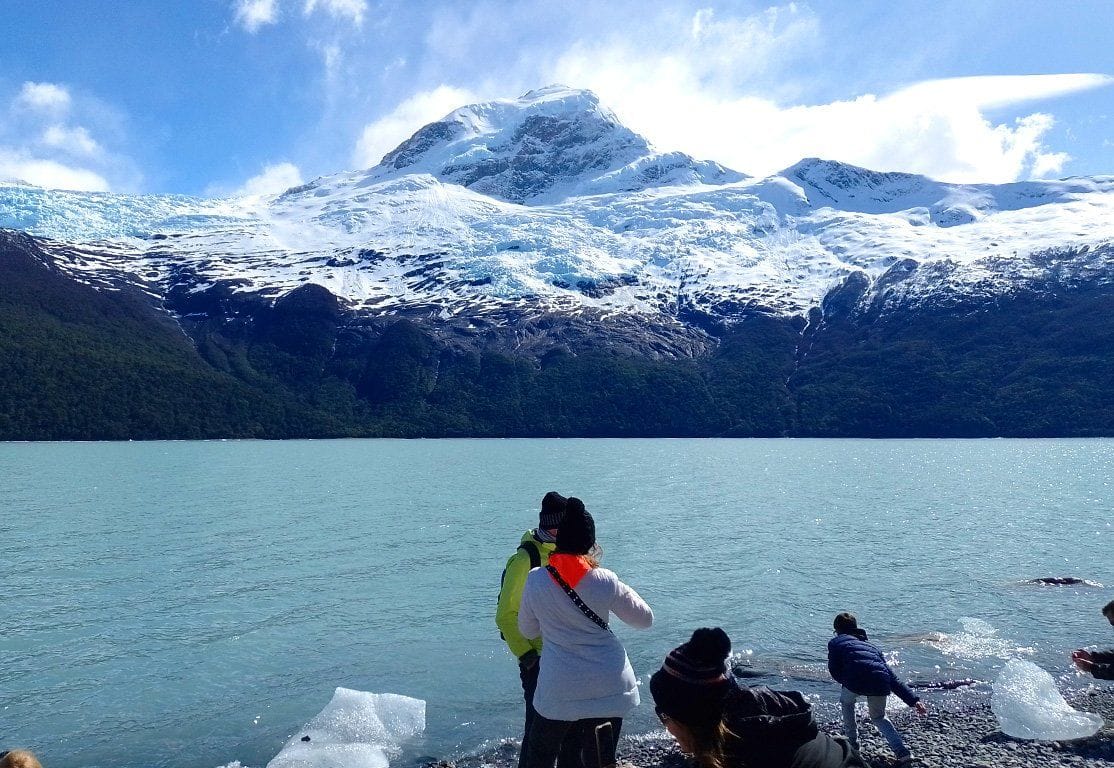
Seeing glaciers in winter from El Calafate is possible: between May and August, the All Glaciers Navigation departs every other day from Puerto Punta Bandera. It's the same 7-hour sailing trip to the Upsala and Spegazzini glaciers, with a stop at Spegazzini Base, fewer people on board, and snow-capped mountains.
We've been sailing on Lake Argentino since 1980, and we do so even during the colder months. Here's what we see from the bridge every winter, and what you should know before booking.
Does Todo Glaciares operate in winter?
Yes. From May to August, the tour departs every other day; from September to April, it departs daily. The schedule is from 8:30 a.m. to 16:00 p.m., and from April to August, it starts an hour later, from 9:30 a.m. to 17:00 p.m. The route is not shortened during the winter.
- Crossing the Devil's Mouth, the natural narrows that opens the way to the northern arm of the lake.
- Navigation among the icebergs that have broken off from the Upsala Glacier and a view of the front of the Upsala, a glacier of 765 km².
- Dry Glacier, hanging on the hillside without reaching the water, and Heim Glacier.
- Spegazzini Glacier, the tallest in the Park, with walls up to 135 m above the lake.
- Landing at Spegazzini Base: trails, walkways, viewpoints overlooking the Spegazzini, Heim and Peineta glaciers, and Spegazzini Refuge.
Regarding the weather, the policy is the same in all seasons: navigation is not suspended due to bad weather; in the event of an extraordinary episode, it is evaluated according to the case.
What glaciers look like in winter from a ship
Winter changes the landscape's palette more than the ice itself. This is what passengers tell us most during this time of year:
- Snow all the way down. The mountains surrounding Glacier Bay are white almost to the coast, and the contrast with the dark water of the lake is striking.
- A more intense blue on cloudy days. With overcast skies, there are no dazzling reflections, and the blue of the compacted ice is more noticeable in the crevasses and icebergs. If you're interested in why, we explain it in Why is glacial ice blue?.
- Sun low all day. At this latitude the winter sun does not rise very high: the light arrives at a graze, lengthens the shadows and gives relief to the walls of the Spegazzini.
- Resting forest. The lenga and ñire trees lose their leaves in autumn; at the beginning of May there may still be some red on the slopes.
Fewer people, more space to look around
The off-season is noticeable on board. There's more space on the outside decks for leisurely photography and in the lounges to retreat to the warmth when the wind picks up. The onboard café is open while sailing, so a hot coffee is always available between glaciers.
The same is true on land: the trails at Spegazzini Base, the 350-meter walkways to the De Agostini Viewpoint, and the newer viewpoint, closer to the glacier and higher up, are all enjoyed at a leisurely pace. The main hall of the Spegazzini Refuge, measuring 280 square meters, has a large window overlooking Spegazzini; in winter, it's where almost everyone ends up sitting with something warm in hand. If you'd like to eat there, the Refuge Menu offers guanaco goulash, lamb stew, or lentil and vegetable stew: dishes designed for the cold.
What to wear for glaciers in winter
The cold near the ice is felt more by the wind than by the thermometer. Layering works better than a single thick garment.
- First thermal layer that is not cotton.
- Mid-weight coat in fleece or lightweight down.
- A windproof and waterproof jacket above all else.
- Hat, gloves and neck warmer: on deck they are the first things you miss.
- Closed footwear with good soles is recommended for the Base trails, which may be wet or frosty.
- Sunglasses: with snow and water the reflection is strong even with low sun.
We have a more comprehensive guide on what clothes to wear to glaciers depending on the season.
The road to Punta Bandera in winter
Punta Bandera Port is 47 km from El Calafate. In winter, the road can have icy or snowy sections, especially early in the morning, so it's best to drive slowly if you're traveling independently. The optional round-trip transfer between your hotel in El Calafate and Punta Bandera eliminates this concern: with the transfer, the entire day takes about 10 hours. The boarding terminal is a private, 350 m² building, covered and heated, with restrooms, a first-aid station, and two booths where National Parks sells park entrance tickets, which are not included in the tour.
The experience is 100% accessible even in winter: elevator at the Punta Bandera dock, level ramps, floating dock at the Spegazzini Base and adapted toilets on boats and in the Refuge.
If you stay longer in winter
On departure days you'll sail to Upsala and Spegazzini; on other days you can explore El Calafate at your leisure or head north into the park. The Viedma Adventure also departs from El Chaltén in winter, every other day plus Saturdays, and we have an article about what the Viedma Glacier is like in the off-season.
Book your winter cruise
Choose a departure date between May and August according to the calendar, buy your park entrance ticket in advance, and dress in layers. Check availability and current rates on the All Glaciers Navigation website ; we'll take care of the rest.
FAQ
What days does Todo Glaciares run in winter?
From May to August, the Todo Glaciares tour departs every other day from Puerto Punta Bandera; please check the departure schedule. From September to April, there are daily departures. From April to August, the schedule is delayed by one hour: from 9:30 AM to 17:00 PM.
Is the winter route shorter?
No. It's the same 7-hour navigation: Boca del Diablo, icebergs and Upsala Glacier, Seco, Heim and Spegazzini glaciers, and disembarkation at the Spegazzini Base, with a view of Peineta and access to the Refuge.
Is sailing suspended due to cold or bad weather?
Navigation is not suspended due to bad weather. In the event of an extraordinary weather event, the situation is assessed on a case-by-case basis.
What should you bring for sailing in winter?
Layered clothing, a windproof and waterproof jacket, a hat, gloves, closed shoes, and sunglasses. On deck, the wind makes it feel colder than in town.

