

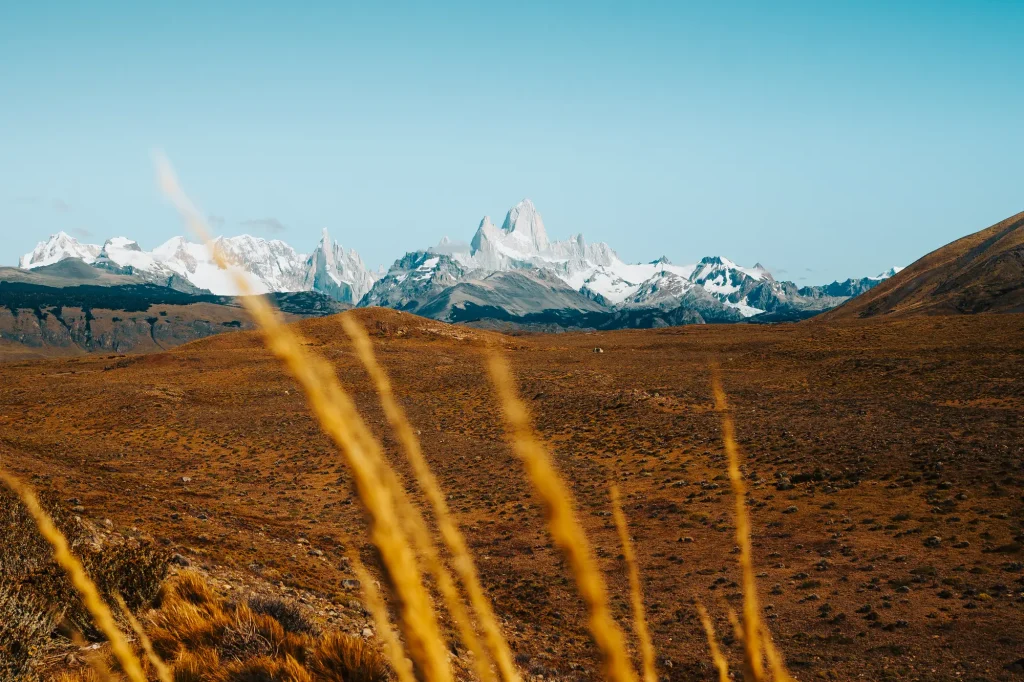
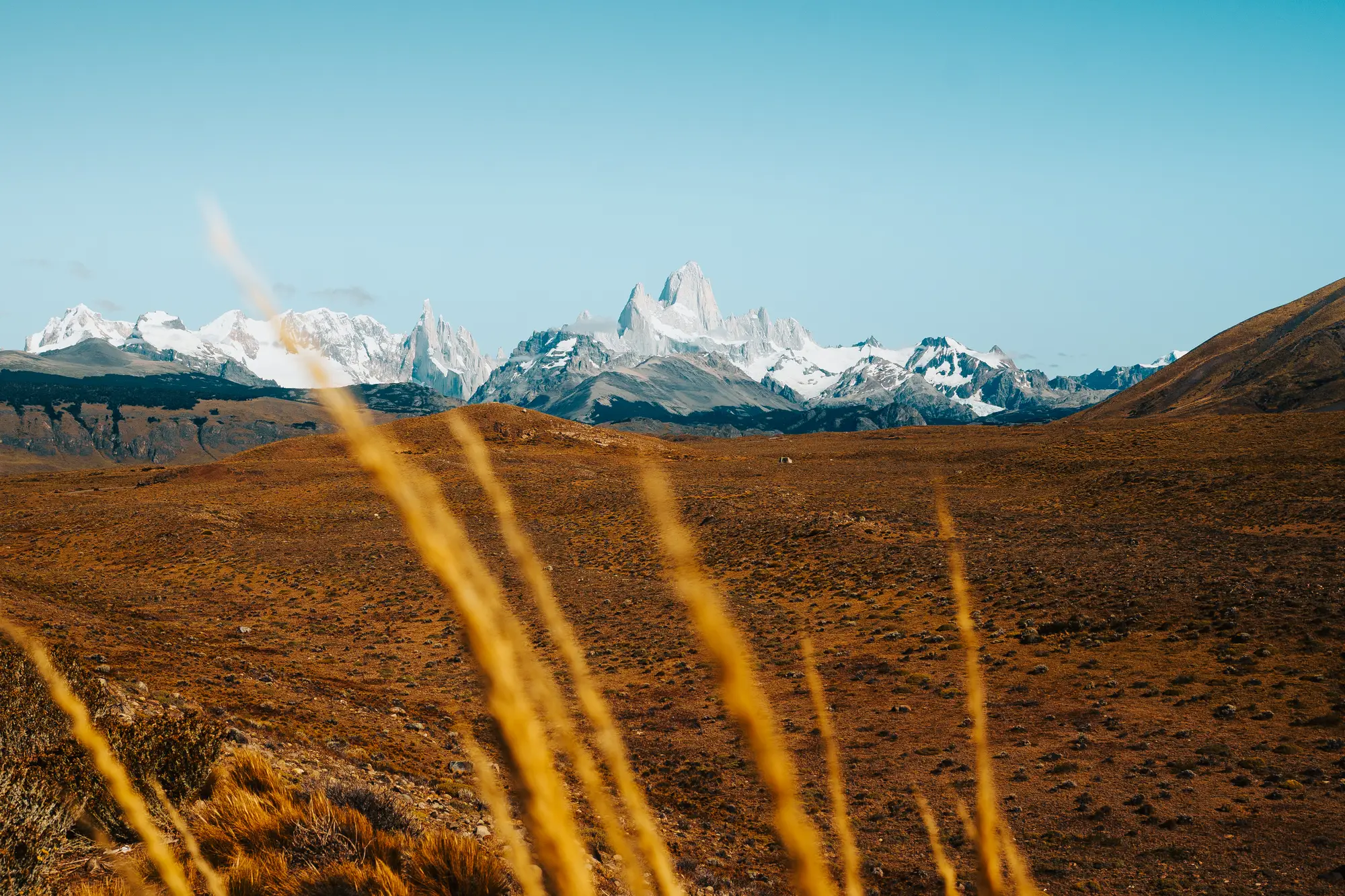
The first inhabitants of the El Calafate region were the Aonikenk, the southern Tehuelche: nomadic hunters who roamed the steppe and the edge of the Andes following the guanaco and the rhea. They were not a seafaring people; they traveled along the shores of Lake Argentino on foot and, from the 18th century onward, on horseback.
We have been navigating these waters since 1980, and each season we see the same guanacos from the boat on the slopes that for centuries formed the basis of Aonikenk life. This article presents what is known about them without embellishment or invented legends.
Who were the Tehuelche Aonikenk?
“Tehuelche” is a generic name that was used for several peoples of Patagonia. The Aonikenk, whose name is often translated as “people of the south,” occupied the territory between the Santa Cruz River and the Strait of Magellan, which today comprises much of the province of Santa Cruz. Their language, Aonek'o 'a'jen, has almost no speakers today, although there are ongoing efforts to document and teach it in order to revive it.
These were mobile family groups that moved according to the seasons: the plateau, the valleys, and the foothills of the Andes offered hunting, water, and shelter at different times of the year. The Great Lakes region, with Lake Argentino and Lake Viedma, was part of this circuit.
How they lived: the guanaco at the center of everything
Aonikenk life revolved around a few resources from the steppe, which were used to their fullest potential:
| Resource | Primary use |
|---|---|
| Guanaco | Meat, leather for the awnings and for the quillangos, the skin capes that protected them from the wind |
| Rhea (choique) | Meat and feathers |
| Stone | Points, scrapers and the balls of the bolas |
| Wild fruits | Dietary supplements in summer, including calafate berries |
The bolas were their most well-known hunting tool. The arrival of the horse, adopted in the 18th century, increased the distances they could travel and changed their hunting methods and their trade with other peoples.
What the first travelers saw
Written contact begins in 1520, when Magellan's expedition called the inhabitants of the coast "Patagonians." Centuries later, in 1869, the British explorer George Musters traveled through Patagonia from south to north accompanying Tehuelche groups and recounted his experiences in a book published in 1871, one of the most cited sources on their daily life.
In 1877, Francisco Pascasio Moreno reached the shores of the great lake and named it Lago Argentino (Argentine Lake). By then, the Aonikenk people had known these shores for a long time and had their own names for mountains and landscapes. The most famous of these names that has survived is Chaltén, the Tehuelche name for the mountain we now call Fitz Roy, which is often translated as "smoking mountain" because of the clouds that form on its summit. We discussed this in the article about Mount Fitz Roy and the origin of the name Chaltén.
The end of nomadism
At the end of the 19th century, state occupation of the territory and the expansion of sheep farming closed off the fields where the Aonikenk hunted. Disease and fencing did the rest: in just a few decades, their nomadic way of life became impossible. This same process gave rise to the settlements and towns of the area, as we recounted in the history of El Calafate.
The Aonikenk did not disappear. There are Tehuelche families and communities in Santa Cruz who maintain their identity and claim their place in the history of the province.
Traces of the Tehuelche people that can still be seen in El Calafate
- The names. Chaltén is the clearest example, but Patagonian toponymy preserves other names of indigenous origin.
- The legend of the calafate. The story of the old woman who transformed herself into a bush so as not to abandon her land is of Tehuelche origin; we developed it in the calafate, the berry and the legend.
- Rock art. In the province, there are rock shelters and caves with paintings and engravings by ancient hunters. If you visit any, don't touch them: the oils from your hands will damage them.
- The guanaco. From the boat it is common to see them on the slopes of the northern arm of the lake, in family groups, as the Aonikenk saw them for centuries.
To see the landscape with different eyes
On the All Glaciers Navigation tour, the coastline you pass in front of the boat was Aonikenk hunting grounds long before maps with European names existed. At Spegazzini Base, one of the interpretive stations along the trail is dedicated to the region's history. As you sail toward the Upsala and Spegazzini lakes, look up at the slopes: the guanaco you see among the bushes is the same animal that clothed, fed, and sheltered the lake's first inhabitants. Check availability and current rates on the All Glaciers Navigation website.
FAQ
Who were the first inhabitants of El Calafate?
The El Calafate region was the territory of the Aonikenk, the southern Tehuelche, nomadic hunters who roamed the steppe and the foot of the mountain range following the guanaco and the rhea.
Did the Tehuelche people navigate Lake Argentino?
They were not a seafaring people. They traveled the shores of the lake on foot and, from the 18th century onwards, on horseback, and lived by hunting on the steppe.
What does Chaltén mean?
Chaltén is the Tehuelche name for Mount Fitz Roy and is usually translated as smoking mountain, because of the clouds that form over its summit.
Are there any Tehuelche people left in Santa Cruz today?
Yes. There are Tehuelche families and communities in the province of Santa Cruz that maintain their identity, although their language, Aonek'o 'a'jen, has almost no speakers.

