

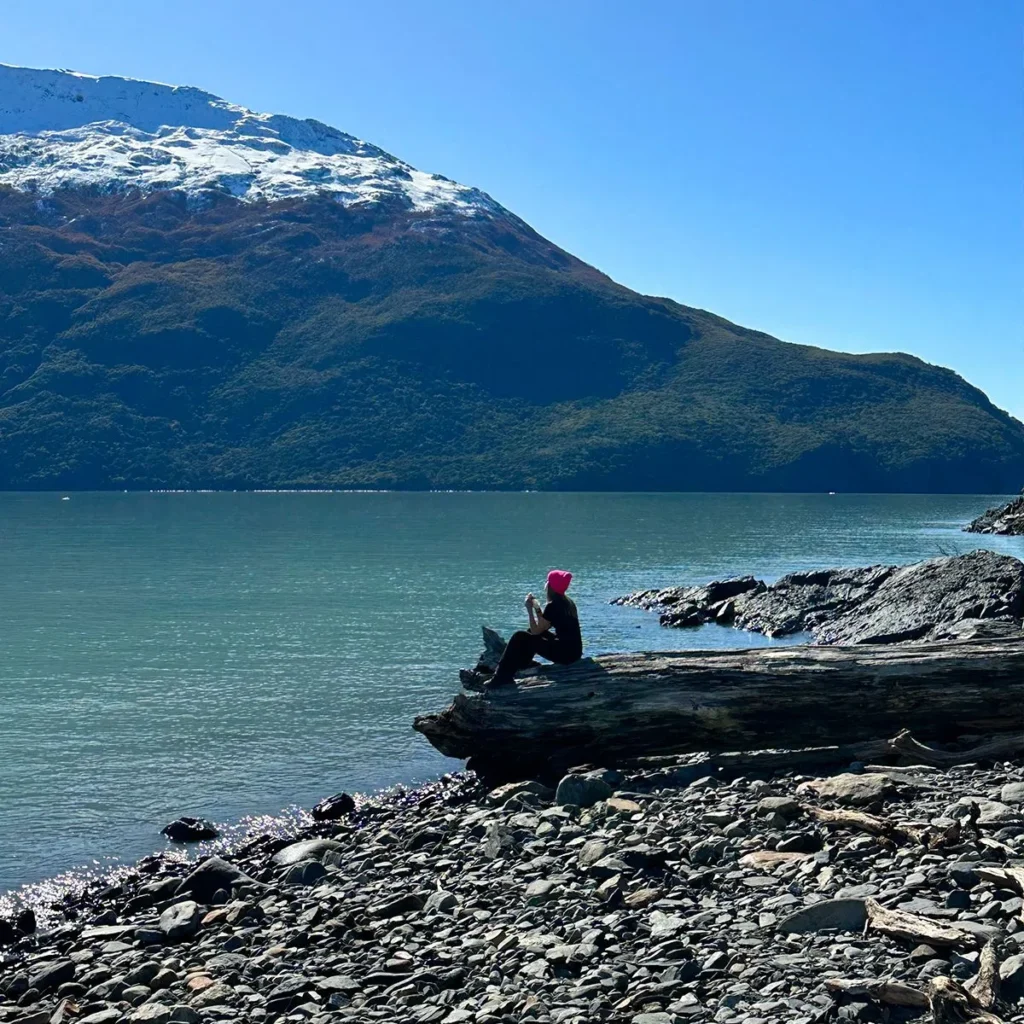
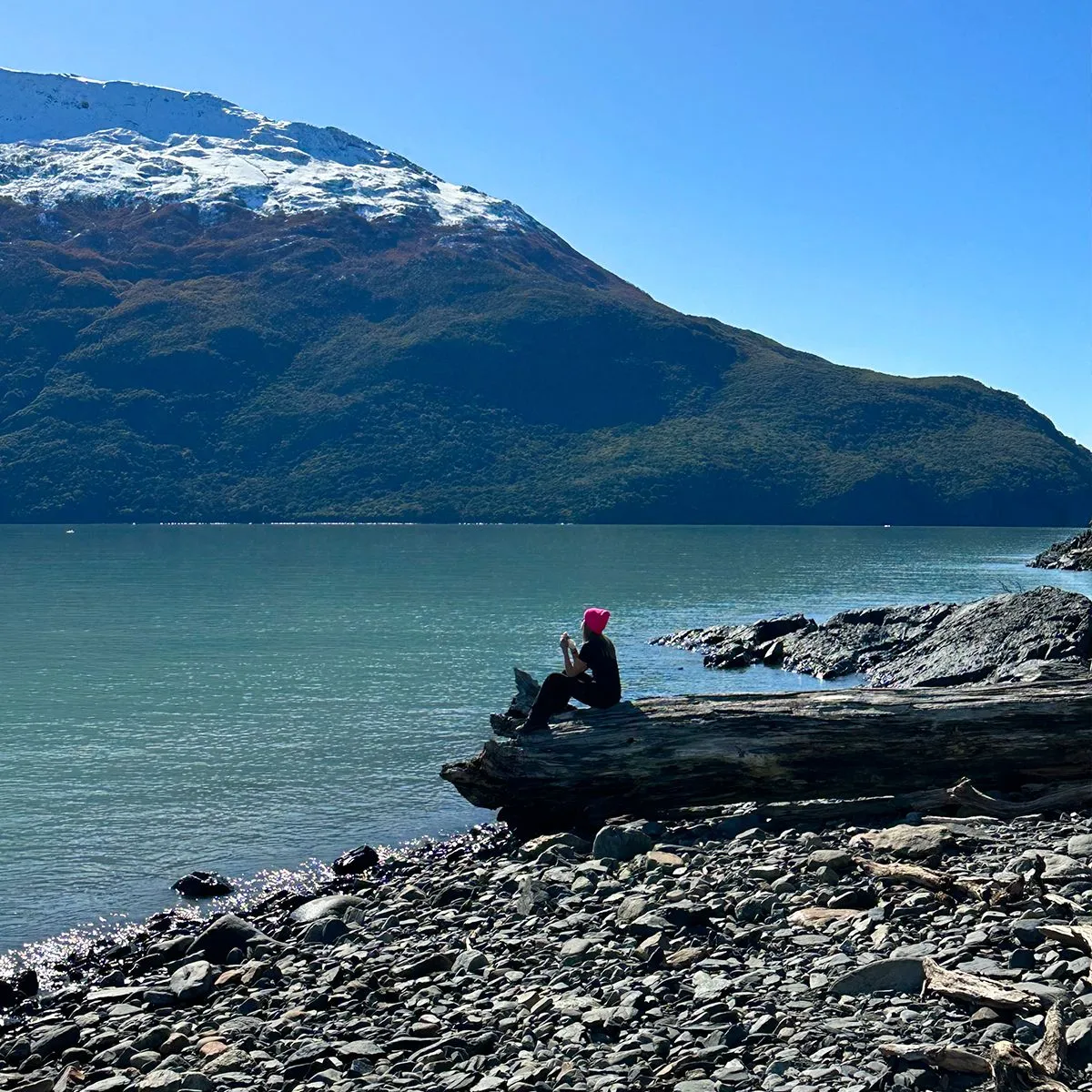
Lake Roca is a lake in the southern part of Los Glaciares National Park, southwest of El Calafate and connected to the southern arm of Lake Argentino. It's a tranquil spot, a blend of Andean forest, steppe, and mountains, best explored by land: trails, viewpoints, and shores perfect for leisurely walks.
We've been sailing Lake Argentino since 1980, especially on its North Arm, on the way to Upsala and Spegazzini. But the Park is much larger than what you see from the boat: it covers 726.927 hectares, and Lake Roca is one of its lesser-known areas for those who only visit for a few days.
Where is Lake Roca located?
Lake Roca is located at the southern end of Los Glaciares National Park, within its system of lakes and inlets. It can be reached by land from El Calafate, along a road that leaves the open steppe behind and approaches the mountain range, where the first forests appear.
Unlike the North Arm of Lake Argentino, which is only accessible by boat, the Lake Roca area is a public space designed for walking. As with the entire park, it's advisable to check the access conditions and current regulations beforehand at pnlosglaciares.ar . For information on park entry and how to manage it, see our article on entry to Los Glaciares National Park.
What kind of scenery will you find at Lake Roca?
What defines Lake Roca is the transition. In just a few kilometers, the landscape changes from the dry steppe, with its tussock grass and low shrubs, to the Andean Patagonian forest, with its lenga and ñire trees that change color with the seasons. The lake, with its cold waters and hues that range from gray to green depending on the light, is framed by hills that are covered in snow in winter.
- Forest: Lenga and ñire trees, with lichens hanging from the branches and trunks twisted by the wind. We described it in the Andean Patagonian forest of lenga and ñire trees.
- Steppe: Yellow grasslands, calafate bushes and low shrubs, the typical environment surrounding El Calafate.
- Montana: slopes that rise towards the mountain range and from whose heights a wide view of the southern lake system of the Park is obtained.
What can you do in the Lago Roca area?
It's a place for walking and observing. The most common activities are:
- Trekking: There are trails of varying difficulty, from short walks along the shore and through the forest to mountain climbs like the one up Cerro Cristal, which is more demanding and takes a long day.
- Wildlife observation: In the forest you can see birds like the Magellanic woodpecker; in the sky, Andean condors taking advantage of the air currents on the slopes. You can find more about this bird at the Andean condor in Patagonia.
- Landscape photography: The contrast between lake, forest and steppe is especially photogenic in autumn, when the lenga trees turn red.
- A day off: For those who have already sailed and want a peaceful plan, in contact with the ground of the Park.
Always follow the Park rules: do not leave the trails, do not make fires outside of designated areas, do not feed the wildlife, and take all waste with you.
Lake Roca and the northern glaciers: two sides of the same Park
| Lake Roca Sector | North Arm and Glacier Bay | |
|---|---|---|
| Location | South of the Park | North of Lake Argentino |
| How to travel | On foot, by land | Just for water |
| Main landscape | Lake, forest, steppe and mountain | Icebergs and glacier fronts |
| glaciers | It's not a sector to look at up close. | Uppsala, Seco, Heim, Peineta and Spegazzini |
These are complementary experiences. The Lake Roca tour showcases the Park from land; the All Glaciers Navigation takes you to where the ice meets the water: the Devil's Mouth, the icebergs, and the 765 km² Upsala Glacier, and Glacier Bay, with a landing at Spegazzini Base. If you'd like to learn more about this area, read our article on the North Arm of Lake Argentino.
When to go
- Spring Season: The forest is sprouting again and the wildlife is active.
- Summer: Long days, ideal for full-day trails. Expect wind.
- Fall Season: The most colorful moment, with the red and orange lenga trees. We tell you about it in El Calafate in autumn.
- Winter: Snowy and silent landscape; roads and trails may have snow or ice, so check the conditions before you go.
Complete the Park from the water
If you've already explored the southern part of the Park on foot, the other half awaits in the north, among icebergs and walls of ice. Check availability and current rates on the All Glaciers Navigation page.
FAQ
Where is Lake Roca?
Located in the southern sector of Los Glaciares National Park, southwest of El Calafate, connected to the southern arm of Lake Argentino. It is accessible by land.
What can you do at Lake Roca?
Primarily for walking: there are short trails along the riverbank and through the forest, as well as more challenging mountain climbs. It's also a great place for birdwatching and landscape photography.
Can you see the Upsala or Spegazzini glaciers from Lake Roca?
No. Those glaciers are in the North Arm of Lake Argentino and in Glacier Bay, and can be seen while sailing, as in the All Glaciers Navigation.
Is Lake Roca located within the National Park?
Yes, it's part of Los Glaciares National Park. Before you go, check the access conditions and current regulations at pnlosglaciares.ar.


